

RUG WALL HANGING AUCKLAND
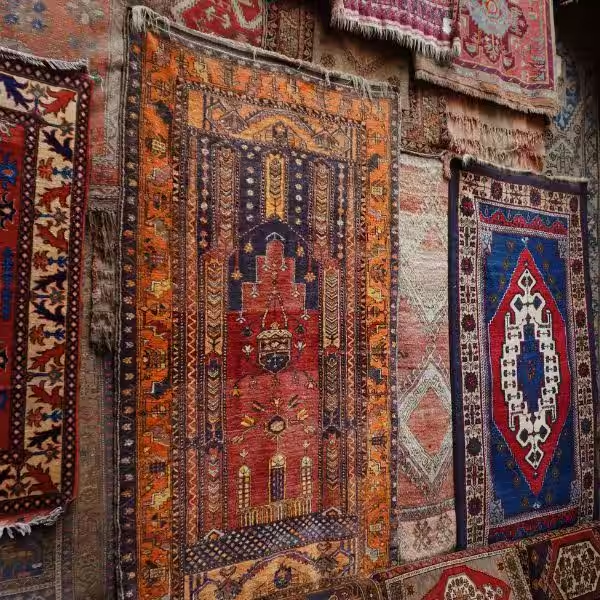
Vertical Rug Display Support & Load Distribution Installation
Rug wall hanging in Auckland is a practical installation service designed to support rugs in vertical display using a rod and bracket system that distributes weight evenly across the full width of the rug’s top edge.
This stabilises the rug under gravity load, reducing long-term edge stress and preventing gradual structural distortion during wall display.
This service is used for:
- Permanent wall-mounted rug installations
- Feature wall rug displays
- Heavy hand-knotted rugs
- Decorative interior statement rugs requiring structural support
Each installation is assessed based on rug size, weight, weave structure, and wall type to ensure correct load handling and safe long-term positioning.
Why Wall Hanging Needs Proper Support
Rugs are designed for horizontal use where weight is evenly distributed across the surface.
When installed vertically, the entire load is transferred to a single top-edge line.
Without controlled support, this creates predictable structural movement over time:
- Continuous tension forms along the upper edge
- Gradual downward pull develops through the weave structure
- Lower sections slowly relax, leading to curl or imbalance
- Pattern alignment shifts subtly under sustained gravity load
- Stress increases in heavier and hand-knotted rugs over time
These changes are gradual but accumulate with rug size, weight, and display duration.
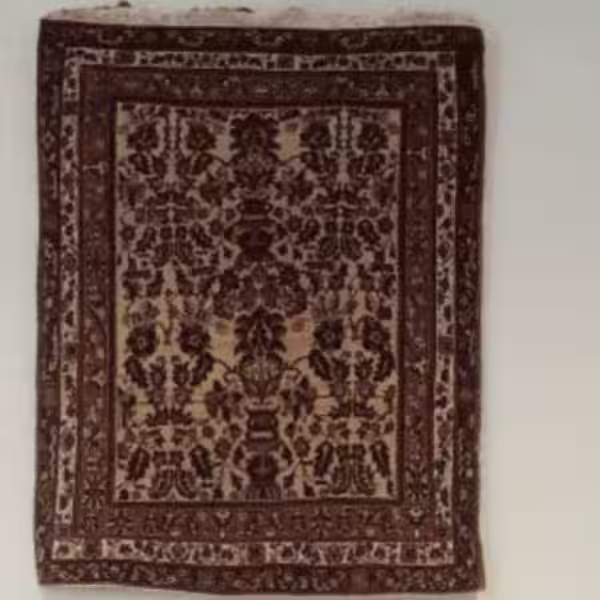
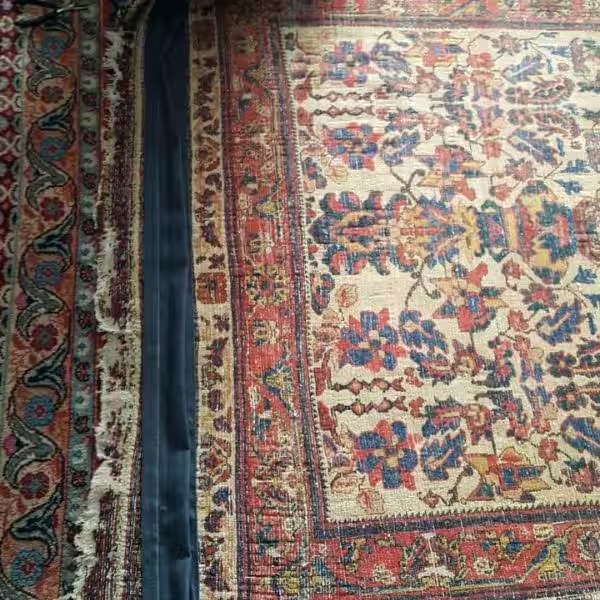
Vertical Load Behaviour in Rugs
1. Top Edge Load Concentration
The full weight of the rug is carried along a single horizontal support point, creating continuous tension.
2. Downward Structural Pull
Gravity creates a slow downward movement through the weave, especially in heavier rugs.
3. Lower Edge Relaxation
The bottom section may gradually loosen, causing slight curling or uneven settling.
Result: Over time, unsupported hanging can lead to visible shape distortion.
Wall Hanging System (Rod & Bracket Method)
This system uses a fixed structural support to distribute load evenly across the full width of the rug.
Core structure:
- Wall-mounted steel or timber support rod
- Heavy-duty structural brackets anchored into wall framing
- Reinforced top-edge attachment (stitch, sleeve, or grip seam)
- Full-width load transfer system across rug top edge
Function:
- Transfers weight from rug into structural wall support
- Removes stress concentration from a single point
- Maintains stable vertical alignment over time
This is a structural support installation system, not decorative framing.
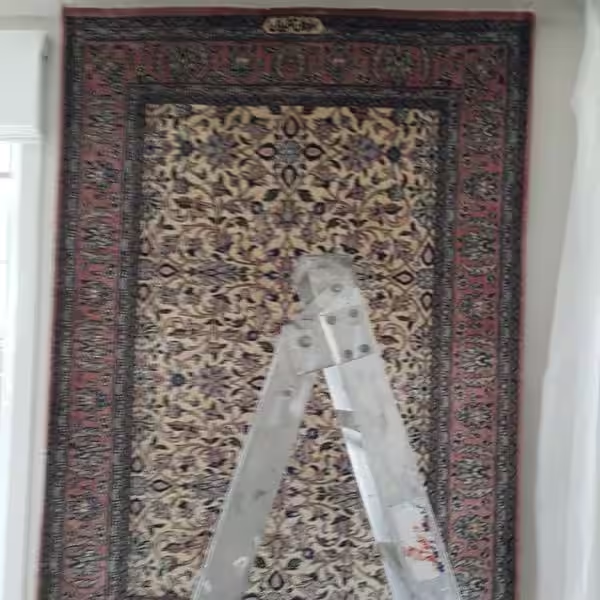
Installation Types
Simple Support System
Designed for light to medium rugs.
Includes:
- Standard rod installation
- Even load distribution across width
- Short to medium-term display stability
Best for:
- Wool rugs
- Medium hand-knotted rugs
- General decorative rugs
Reinforced Load Support System
Designed for heavy or high-value rugs.
Includes:
- Heavy-duty wall anchoring system
- Reinforced top-edge attachment method
- Enhanced load distribution across full width
Best for:
- Large Persian rugs
- Heavy Oriental rugs
- Long-term permanent installations
When Wall Hanging Support Is Required
This system is recommended when:
- Rugs are displayed vertically for extended periods
- Heavy or hand-knotted rugs are mounted on walls
- Permanent feature wall installations are planned
- Early signs of edge stress or imbalance appear
- The rug is a focal design element in the space
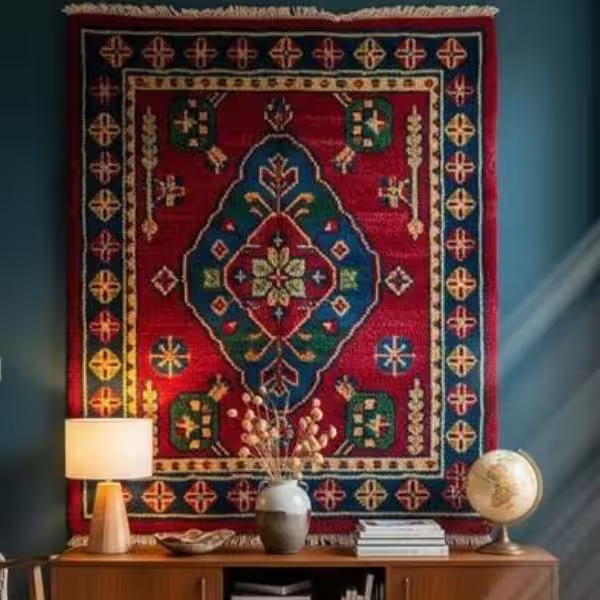
Rugs Suitable for Wall Display
- Persian rugs
- Oriental rugs
- Antique hand-knotted rugs
- Wool rugs
- Kilims and flatweaves
- Selected collector rugs
Installation Process
1. Rug Assessment
- Weight and dimensions measured
- Weave structure evaluated
- Top-edge strength assessed
- Suitability confirmed for wall load conditions
2. Mount Planning
- Rod position marked
- Bracket fixing points mapped to wall structure
- Load distribution calculated across width
- Wall type confirmed (timber, masonry, or framed structure)
3. Installation
- Rod and brackets secured to structural wall points
- Rug attachment system fitted to top edge
- Alignment set across full width
4. Final Adjustment
- Level calibration completed
- Tension balance verified
- Visual alignment corrected
Benefits of Wall Hanging Support
- Reduces edge stress on rugs during vertical display
- Distributes weight evenly across the full top edge
- Maintains stable shape and alignment over time
- Minimises sagging and structural pull from gravity
- Supports safe long-term wall installation for heavy rugs
Related Rug Protection Services
Auckland Service Coverage
-
Central Auckland · North Shore · East Auckland · South Auckland · West Auckland
Pickup and installation support available.
Final Outcome
Proper wall hanging installation:
- Stabilises vertical load distribution
- Reduces structural stress over time
- Preserves rug shape and alignment
- Enables safe long-term wall display of valuable rugs
Rug Wall Hanging FAQs – Auckland
Will this damage my rug?
No. The system avoids point-load stress by distributing weight across a support rod.
Can heavy rugs be hung safely?
Yes, if reinforced support and correct anchoring are used.
How long can a rug stay on the wall?
Long-term display is possible with proper installation and periodic checks.
Do all rugs need support systems?
Yes, especially hand-knotted and heavier rugs.
Protect Your Rug During Wall Display in Auckland
Proper rod and bracket support helps reduce long-term stress and keeps rugs stable in vertical display conditions.