

Moth Damage in Rugs: Identification, Prevention, Treatment & Repair Guide
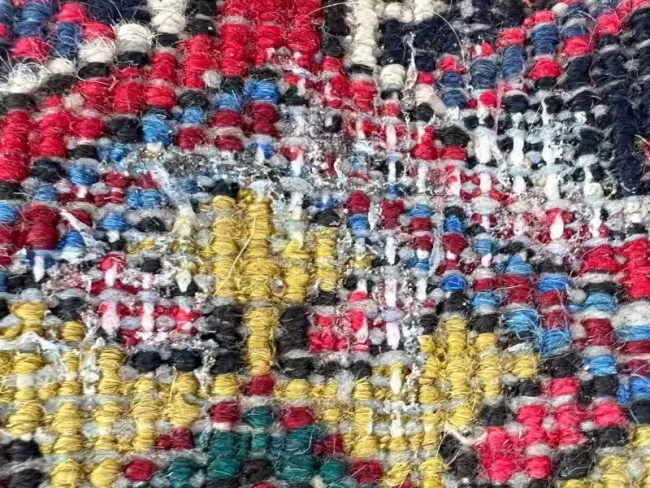
Rugs Damged By Moth
Moth damage is one of the most common causes of fibre loss in wool, silk, Persian, Oriental, Afghan, Turkish, and handmade rugs. Left untreated, a small infestation can develop into widespread damage that affects the pile, foundation, fringe, edges, and overall structure of a rug.
Understanding how moths damage rugs, how to identify an infestation, and what treatment options are available can help protect valuable rugs from costly repairs and permanent deterioration.
What Causes Moth Damage in Rugs?
The damage is not caused by adult moths. Instead, it is caused by moth larvae feeding on natural fibres such as wool, silk, cotton, and animal-based materials.
Rugs located in dark, undisturbed areas are particularly vulnerable. Common risk factors include:
- Infrequent vacuuming
- Rugs stored for extended periods
- Furniture covering sections of the rug
- Dust accumulation
- Pet hair and organic debris
- High humidity environments
- Poor storage conditions
Synthetic rugs are generally less attractive to moth larvae, although contamination from food residues and organic matter can still create favourable conditions.
Signs of Moth Damage
Early detection can significantly reduce repair costs.
Common signs include:
- Small holes in the pile
- Bald or worn patches
- Fibre loss beneath furniture
- Damaged fringes
- Larvae casings
- Adult moth activity nearby
- Uneven pile height
- Areas where foundation threads become visible
Moth damage often begins in hidden locations and may not be discovered until significant deterioration has occurred.
Which Rugs Are Most at Risk?
Natural fibre rugs are most susceptible to infestation.
Examples include:
- Persian rugs
- Oriental rugs
- Silk rugs
- Wool rugs
- Antique rugs
- Hand-knotted rugs
- Tribal rugs
- Afghan rugs
- Turkish rugs
- Kashmir rugs
Older rugs and rugs stored without regular inspection are especially vulnerable.
How Moth Damage Progresses
A minor infestation can quickly become a serious structural issue.
Typical progression:
- Eggs are deposited in undisturbed areas.
- Larvae hatch and begin feeding.
- Fibre loss becomes visible.
- Foundation yarns become exposed.
- Structural weakness develops.
- Repair and restoration become necessary.
When foundation threads are affected, professional rug restoration may be required to preserve the rug.
Professional Rug Moth Treatment
Professional treatment usually involves several stages.
Inspection
The rug is examined to determine:
- Severity of infestation
- Extent of fibre loss
- Structural damage
- Areas requiring repair
Specialist Rug Washing
Professional washing removes:
- Dust
- Soil
- Food particles
- Pet hair
- Organic contaminants
Removing these materials helps reduce conditions that attract moth activity.
Moth Treatment
Targeted treatment is applied to help eliminate:
- Eggs
- Larvae
- Active infestations
Repair Assessment
If damage has occurred, repair options may include:
- Fringe repair
- Edge repair
- Reweaving
- Pile rebuilding
- Structural restoration
Can Moth-Damaged Rugs Be Repaired?
In many cases, yes.
Successful repair depends on:
- Age of damage
- Size of affected areas
- Rug construction
- Availability of matching materials
- Condition of the foundation
Handmade rugs often respond particularly well to specialist restoration techniques when damage is identified early.
How to Prevent Moth Damage
Prevention is considerably less expensive than restoration.
Recommended measures include:
- Vacuum rugs regularly
- Rotate rugs periodically
- Inspect stored rugs every few months
- Avoid long-term storage in damp areas
- Maintain clean indoor environments
- Use professional rug cleaning every 12–24 months
- Address infestations immediately
Moth Damage and Rug Value
Untreated moth damage can significantly reduce the value of:
- Antique rugs
- Collectable rugs
- Silk rugs
- Handmade rugs
- Investment-quality rugs
Prompt treatment and professional restoration can often preserve both appearance and value.
When to Seek Professional Help
Professional assistance is recommended if you notice:
- Active moths
- Fibre loss
- Holes in the pile
- Damaged fringes
- Exposed foundation threads
- Multiple affected areas
Early intervention typically results in lower repair costs and better restoration outcomes.
Frequently Asked Questions
Do moths eat wool rugs?
Yes. Wool is one of the most common materials targeted by moth larvae.
Can moth damage spread to other rugs?
Yes. An active infestation can spread to nearby rugs, carpets, clothing, and textiles.
Does vacuuming remove moth infestations?
Vacuuming helps reduce risk but may not eliminate eggs and larvae already embedded within the rug.
Can antique rugs be restored after moth damage?
Many antique rugs can be successfully repaired depending on the extent of the damage and condition of the foundation.
Professional Rug Moth Damage Assessment Auckland
If you suspect moth damage, professional inspection can identify the extent of the problem and determine whether treatment, cleaning, repair, or restoration is required.
Early action helps prevent further fibre loss and protects the long-term condition of valuable rugs.
Related Rug Buying Guide
Buying a rug requires more than choosing a colour or pattern. The fibre, construction, foundation, pile, condition, and signs of previous damage can all affect how the rug should be cared for and how vulnerable it may be to problems such as moth damage.
Before purchasing a Persian, Oriental, wool, silk, handmade, antique, or other valuable rug, learn how to inspect its construction and condition:
What to Look for When Buying a Rug in StoreThis guide explains the key things to examine before buying a rug, including fibre, construction, condition, quality, wear, damage, and other factors that can affect long-term ownership.
Related Rug Care Systems
- Rug Repair → structural damage correction
- Rug Restoration → visual and colour improvement
- Rug Protection → preventive stabilisation systems
- Rug Edging & Binding → fray control, structural edge reinforcement, binding, finishing, and long-term perimeter stability
Each system addresses a different layer of rug condition.