

What to Look for When Buying a Rug in Store
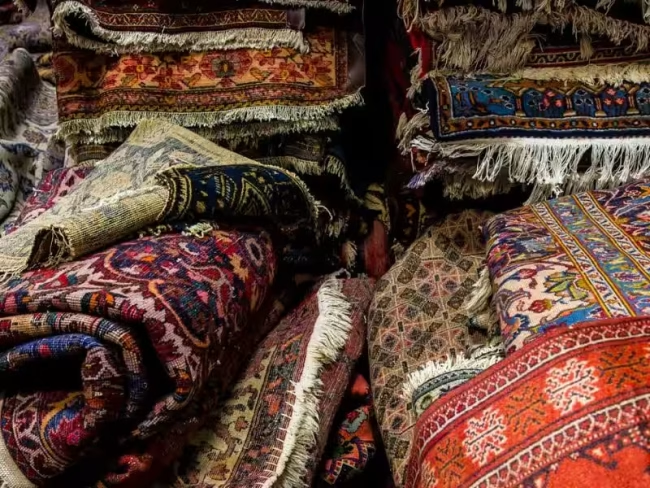
Why Rug Quality Differences Are Not Always Obvious in Retail Environments
Buying a rug in store requires understanding rug quality, fibre structure, and construction methods, because these vary significantly between different rug types and retail categories.
Rugs that look similar on display can perform very differently over time depending on their materials, weaving method, and backing system.
Different rug categories can include:
- Hand-knotted traditional rugs
- Machine-made decorative rugs
- Blended fibre modern rugs
- Design-focused interior rugs
Each category is built with different performance expectations, which can influence durability, maintenance requirements, and long-term behaviour.
These differences are not always immediately visible during showroom viewing conditions.
This guide outlines the key structural and material factors that influence long-term performance.
Understanding How Rug Construction Impacts Long-Term Performance
Rug durability is primarily determined by construction method rather than visual appearance.
Key structural factors include:
- Knot density or machine weave tightness
- Yarn spinning quality
- Fibre type and resilience
- Backing material composition
Higher structural integrity generally contributes to improved resistance to wear, flattening, and fibre breakdown under regular use.
Fibre Types and Their Behaviour Over Time
Different fibre types perform differently depending on usage conditions.
Wool fibres
- Natural elasticity
- Generally durable under correct construction
- Performance varies depending on fibre source and processing
Silk fibres
- High visual refinement
- Delicate under mechanical stress
- Typically used in lower-traffic environments
Synthetic fibres
- Consistent appearance when new
- Performance varies based on grade and backing system
- Often used in design-focused rug ranges
Fibre selection directly influences cleaning requirements and lifespan expectations.
Dye Stability and Colour Behaviour
Colour performance depends on dye chemistry and application method.
Key indicators of stable dye systems:
- Consistent colour boundaries
- No visible bleeding between tones
- Even response to light exposure over time
Variations in dye systems can influence how a rug responds to moisture, cleaning processes, and environmental exposure.
Backing Systems and Structural Stability
Many modern rugs incorporate backing materials designed to support structure and positioning.
Common backing types include:
- Latex-based systems
- Synthetic stabilising layers
- Woven foundation structures
Backing condition can influence:
- Long-term dimensional stability
- Response to humidity
- Overall durability in high-use environments
Hidden Structural Conditions That Are Not Immediately Visible
Certain conditions may not be visible during initial inspection in a showroom environment.
These can include:
- Prior repair work
- Stored contamination within pile layers
- Fibre fatigue in high-use areas
- Early-stage moth activity (in natural fibre rugs)
These factors typically become more noticeable over time under regular household use.
Material and Construction Variability in Imported Rugs
Imported rugs are produced across a wide range of manufacturing systems and material standards.
Variability may include:
- Differences in fibre sourcing
- Variation in knotting or weaving density
- Diverse finishing methods
- Different intended lifespan categories (decorative vs long-term use)
Understanding these differences helps align expectations with actual product performance.
Practical Inspection Steps Before Purchasing
Before selecting a rug, it is recommended to observe:
- Back of the rug for construction clarity
- Fibre response when lightly handled
- Overall weight and density consistency
- Edge finishing quality
- Pattern alignment accuracy
- Odour neutrality
These indicators provide insight into structural quality beyond surface appearance.
Questions to Support Informed Purchasing Decisions
It is useful to ask:
- What fibre type is used in this rug?
- What construction method was used?
- What is the expected maintenance requirement?
- How does this rug respond to cleaning?
- What environment is it best suited for?
These questions help align product selection with intended use.
Summary – Selecting a Rug Based on Structure, Not Appearance Alone
A rug’s long-term performance is primarily determined by its internal construction, fibre system, and material behaviour rather than surface appearance at the point of sale.
A structured inspection approach helps ensure the selected rug aligns with:
- Intended usage environment
- Maintenance capacity
- Expected lifespan
Usefull Resources
- Rug Cleaning Guides – Rug cleaning systems and fibre care
- Rug Repair Guides – Structural rug repair processes
- Rug Restoration Guides – Colour and surface restoration methods
- Rug Protection & Care Guides – Preventive rug care systems
Service pages:
- Rug Cleaning Auckland – Professional rug cleaning services
- Rug Repair Auckland – Rug repair services
- Rug Restoration Auckland – Rug restoration services
- Related Rug Buying & Ownership Guides